
Digital Entertainment in 2026: Music, Videos, and Mobile-First Fun
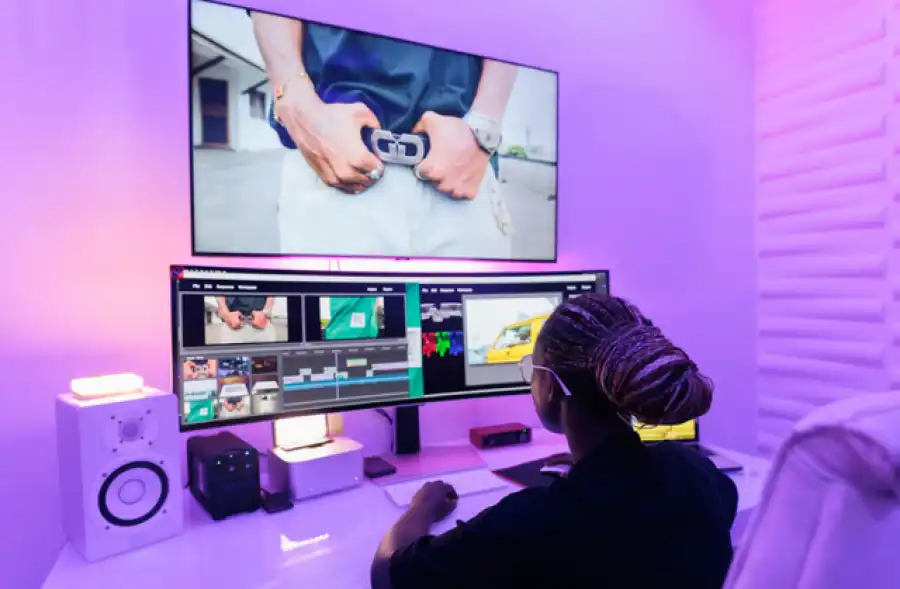
Digital Entertainment in 2026: Music, Videos, and Mobile-First Fun
In 2026, entertainment is built for phones: short video, music loops, and interactive formats that reward timing, taste, and surprise.
Why Online Entertainment Feels Faster in 2026
In 2026, online entertainment is less about “going online” and more about what happens while everything else is going on. Music plays during chores. Short videos fill the gaps between errands. Live clips become tomorrow’s jokes in group chats. The phone is the main stage, and the show is designed for real life: quick, social, and easy on data when possible.
That shift has made content more interactive. People don’t just watch; they vote, remix, react, and send the best parts to friends before the original clip finishes buffering. Platforms reward timing and consistency, and audiences learn to spot patterns: what trends will stick, what will fade, and what will pop up again in a new form.
Entertainment also feels more “surprising” now. Not because it’s random chaos, but because the format invites unpredictable moments: live comments flipping the mood, a sudden beat drop in a trending audio, or a clip that becomes a meme overnight.
Music in 2026: short loops, big culture
Music discovery is happening inside the content, not outside it. A catchy hook becomes a dance. A chorus becomes a ringtone again. A quick freestyle in a street video becomes the sound everyone copies for a week. The best tracks spread because they fit how people share: short, memorable, easy to reuse.
What listeners care about most:
Replay value: a hook that still works on the tenth listen.
Shareability: a line that lands in a caption or a voice note.
Mood control: fast switches between hype and calm, depending on the day.
Streaming is still the core, but the real growth comes from how music travels through clips, challenges, and short edits.
Video trends: attention is the currency
Short video dominates the casual scroll, while longer videos win when the story is strong. Viewers have become picky. A slow intro gets skipped. A clean punchline gets shared. A creator who respects time gets rewarded.
Three practical habits define video entertainment now:
Skipping is normal: the first seconds matter.
Comments are part of the show: the funniest line is often below the video.
Highlights travel further than full streams: the clip is the billboard.
This doesn’t mean people can’t focus. It means creators have to earn focus quickly.
Mobile services: the hidden engine of entertainment
Behind every trend is a simple reality: data bundles, battery life, and the quality of the connection. Entertainment platforms in 2026 build around that reality with offline options, lower-quality modes, and formats that load quickly.
What users choose depends on the day:
On a busy day, it’s short clips and playlists.
On a calm day, it’s longer videos, live shows, and deep dives.
During match hours, it’s highlights, live reactions, and constant updates.
Entertainment follows the clock, not the other way around.
The Interactive Edge: How Entertainment's Pace Drives Betting Excitement
Interactivity turns predictions into a social game
Interactive entertainment trains people to react fast, and that same rhythm shows up when friends compare odds during big games on betting sites in ethiopia. The fun is in the timing: checking a price before the lineup drops, noticing momentum early, or spotting when the crowd is overconfident. Sports betting feels familiar because it works like the best online content: live updates, quick decisions, and instant feedback from the result. The smartest conversations focus on practical signals – team shape, set-piece patterns, and how a match starts – because flashy narratives spread faster than reality.
Surprise is part of the entertainment, not a glitch
Short videos thrive on unexpected twists, and casino-style play carries that same “anything can happen” energy when sessions are kept light and focused. Many users treat bets as a quick add-on to the night’s entertainment, the way a group might switch from highlights to a fast game while waiting for the next match to kick off. What makes it work is structure: small sessions, clear choices, and a pace that fits mobile life without turning into a long project. The surprise factor is the point, and the best experiences keep navigation simple so the excitement stays in the moment, not in hunting for buttons.
The new content economy: creators, fans, and micro-communities
Creators are building loyal audiences by being consistent, not perfect. Fans reward personalities who show up regularly, keep the tone real, and understand everyday life. Micro-communities form around genres, teams, dances, comedy styles, and local slang that never needs an explanation.
A few things that matter more than ever:
Trust: audiences can smell fake hype immediately.
Routine: posting schedules beat one viral hit.
Collaboration: features, duets, and shared clips multiply reach.
Even small creators can win in 2026 if they understand how people actually consume content: in motion, with friends, and in short bursts.
What to expect next
Entertainment will keep blending formats: music inside video, video inside chats, chats inside live streams. AI tools will help with editing and discovery, but the winning content will still be human in tone: funny, useful, relatable, and quick to share. The biggest trend is not one app or one platform. It’s the way entertainment now mirrors daily life – fast, social, and always ready for a surprise.
{{comment.anon_name ?? comment.full_name}}
{{timeAgo(comment.date_added)}}
{{comment.body}}
{{subComment.anon_name ?? subComment.full_name}}
{{timeAgo(subComment.date_added)}}
{{subComment.body}}