
Battery recycling poses major public health threat – Researchers
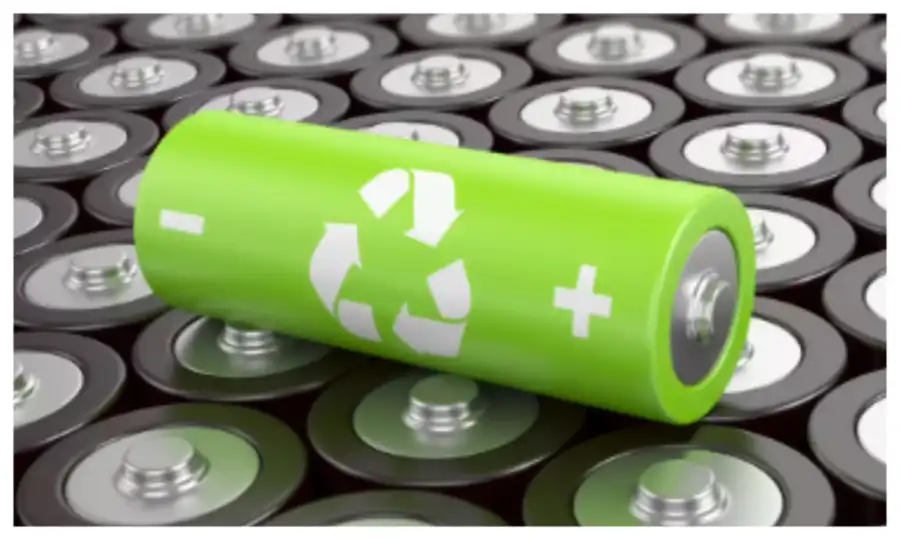
Battery recycling poses major public health threat – Researchers
Nigerian and South African researchers have warned that industrial battery recycling activities in Ogijo, Ogun State, have created a serious public health threat, with heavy metal contamination spreading far beyond environmental concerns.
The alarm was raised in a global study titled: “The Impact of Heavy Metal Contamination in Soils on Soil Microbial Communities and Its Potential Health Risks for Humans,” authored by Nigerian scientists Olaniyi Popoola, Olusola Ogundele, Abayomi Ladapo, and Samson Senbore, alongside a South African collaborator.
The researchers found dangerously high levels of lead, cadmium, mercury, and other metals in soils around recycling sites. These contaminants persist in soil and dust and gradually enter the food chain and water supply, posing severe risks to nearby communities—especially children and pregnant women.
According to the study, children face increased risks of neurological damage, cognitive delays, and developmental challenges linked to chronic exposure. Adults may also suffer long-term health issues, including kidney damage and hypertension.
While public discussions have mostly focused on environmental cleanup, the researchers stress that human health is the most urgent concern.
Their findings show metal accumulation in crops, water sources, and soil, creating multiple pathways for exposure.
Without swift intervention, residents may continue to record elevated blood lead levels and face serious long-term health consequences.
The study also highlights how environmental science can support meaningful solutions.
By monitoring contamination patterns, understanding how metals persist in soil, and identifying early biological indicators, authorities can design targeted public-health interventions and protect vulnerable groups from further harm.
“Lead contamination isn’t just an environmental problem—it’s a public-health emergency. This research underscores the need for rapid action to protect communities from lifelong health consequences,” Popoola and Ladapo said.
The warning comes amid increased calls for government action.
In November 2025, the Ogun State Government shut down seven factories in Ogijo over suspected lead poisoning. Earlier, the Federal Government sealed two other facilities for serious violations of occupational safety and health standards.
The Nigerian Senate had also sounded the alarm over what it described as a “widespread and scientifically verified lead-poisoning disaster” in Ogijo.
{{comment.anon_name ?? comment.full_name}}
{{timeAgo(comment.date_added)}}
{{comment.body}}
{{subComment.anon_name ?? subComment.full_name}}
{{timeAgo(subComment.date_added)}}
{{subComment.body}}